Learning Styles
What are the long-term goals you have for your child? The purpose of education is to create a well-rounded adult who will be a productive member of society. Book skills alone will not produce this. Your child will need to develop critical thinking, problem-solving skills, communication skills, empathy, creativity, and resourcefulness. Real-life experiences, and the ability to learn from them, are paramount for real-life success.
Another thing to consider is, what are your child’s interests and aptitudes? Keep these in mind as you educate him. Not every child needs to go to college, get an advanced degree, or work a high-paying desk job in order to be successful. Allow your child to explore his interests, and encourage him to pursue his own life goals.
Start with determining how your child learns best. What information does he typically remember, and how? Find materials that cater to that learning style. There are many different learning styles, but the three major ones are visual, auditory, and kinesthetic. All of us can learn in all of these ways, but we usually have a dominant style that we’re stronger in. Play to your child’s strengths, especially at younger ages, but also expose him to experiences in the other types of learning. One of the joys of homeschooling is that you can change things that you don’t like or that don’t work for you. Be flexible!
Visual Learners
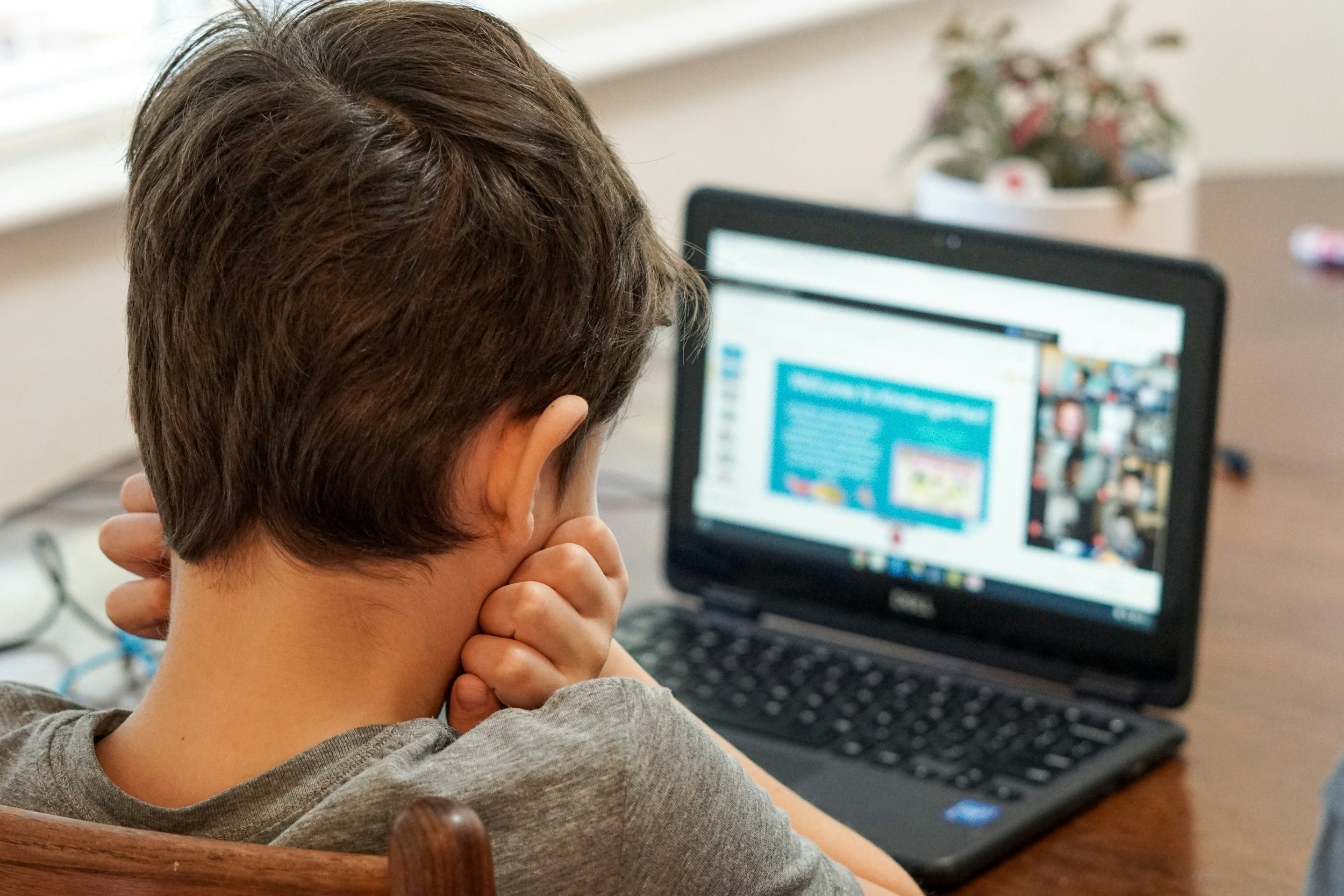
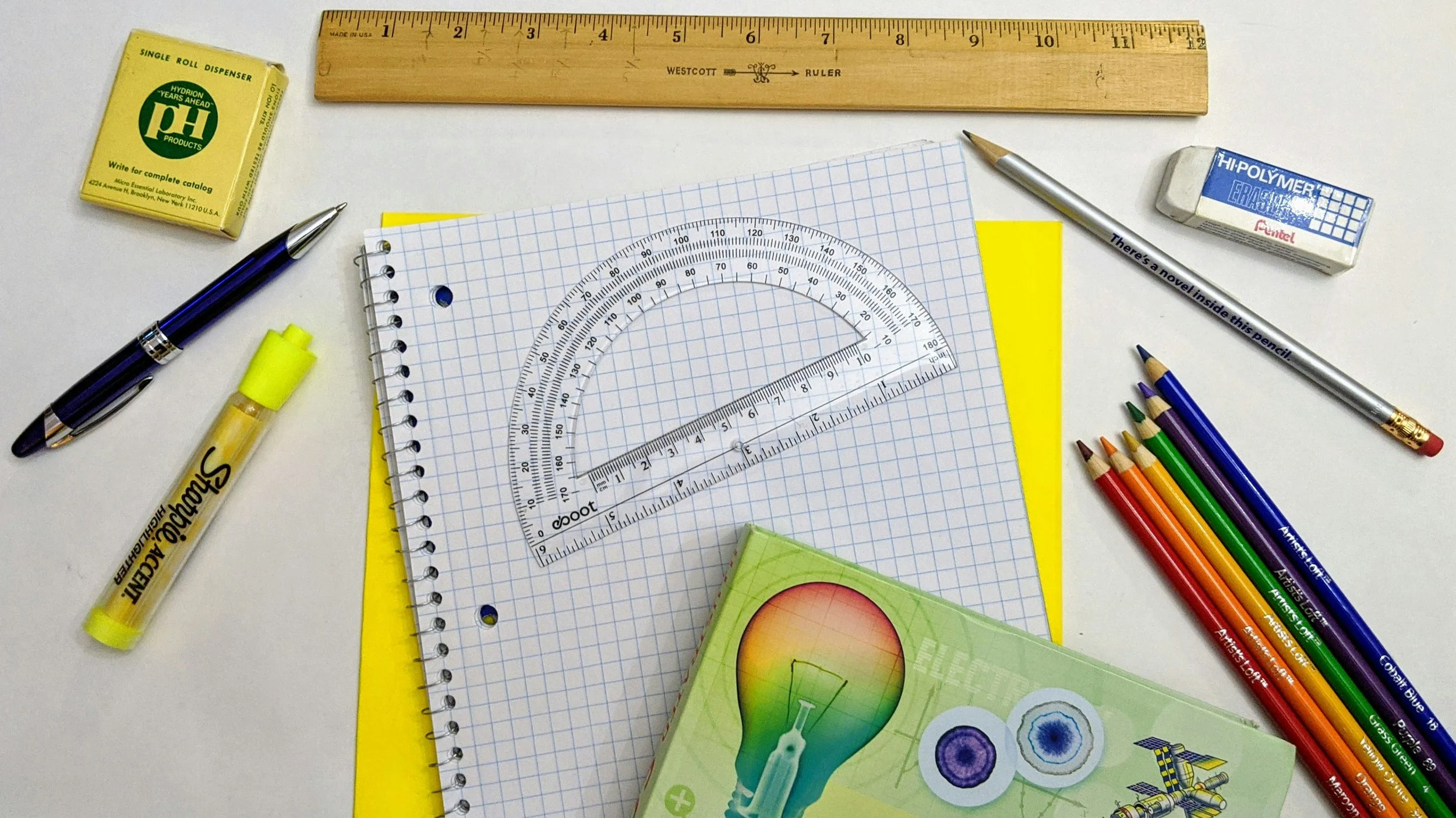
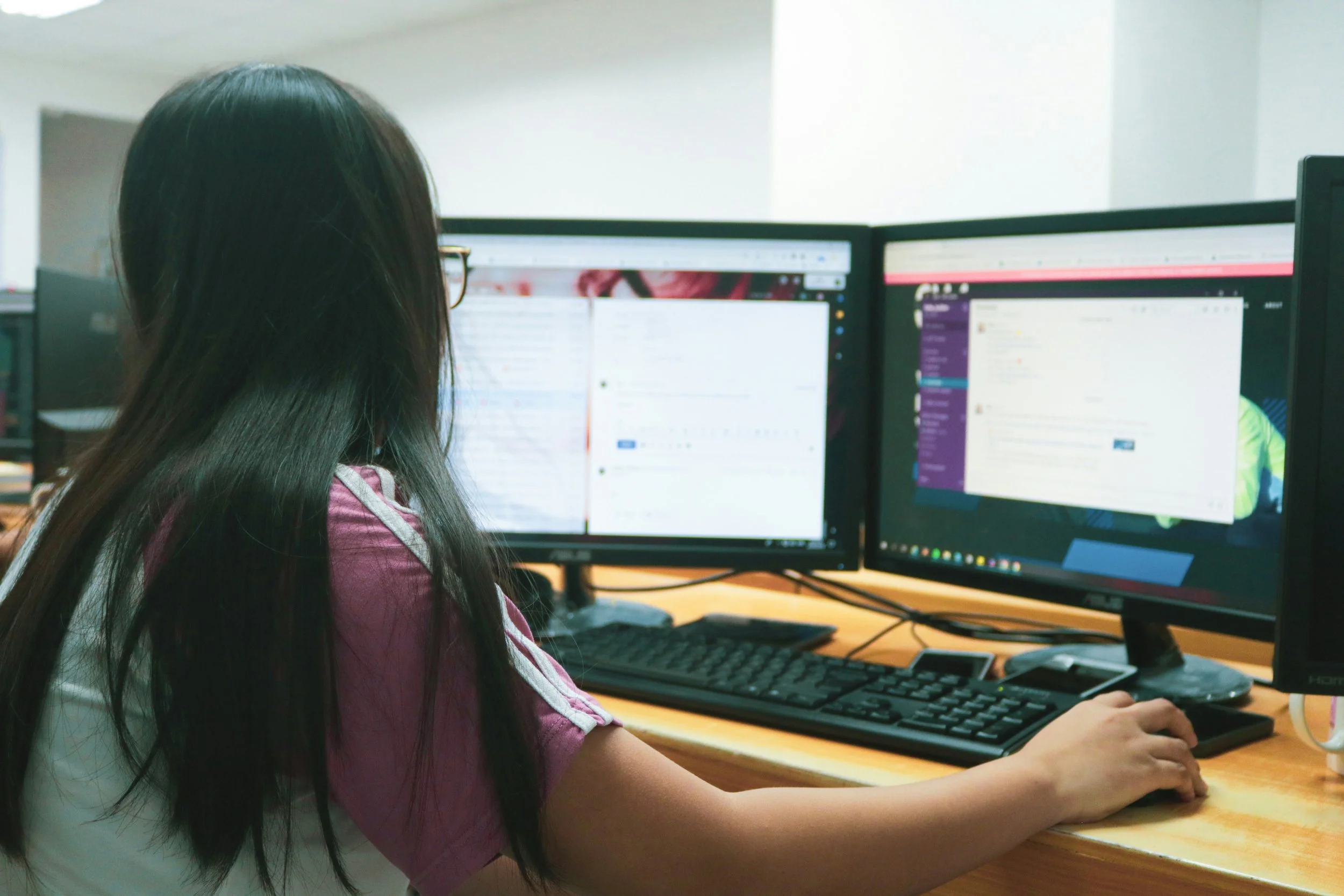
This learning style is probably the most prevalent. Visual learners tend to learn best by reading books, looking at charts, watching experiments, etc. They are focused on gleaning information by sight. You can get cozy on the couch and read together for science, history, literature, etc. Visual learners also like posters, drawings, movies, or anything that involves looking and reading.
Auditory Learners
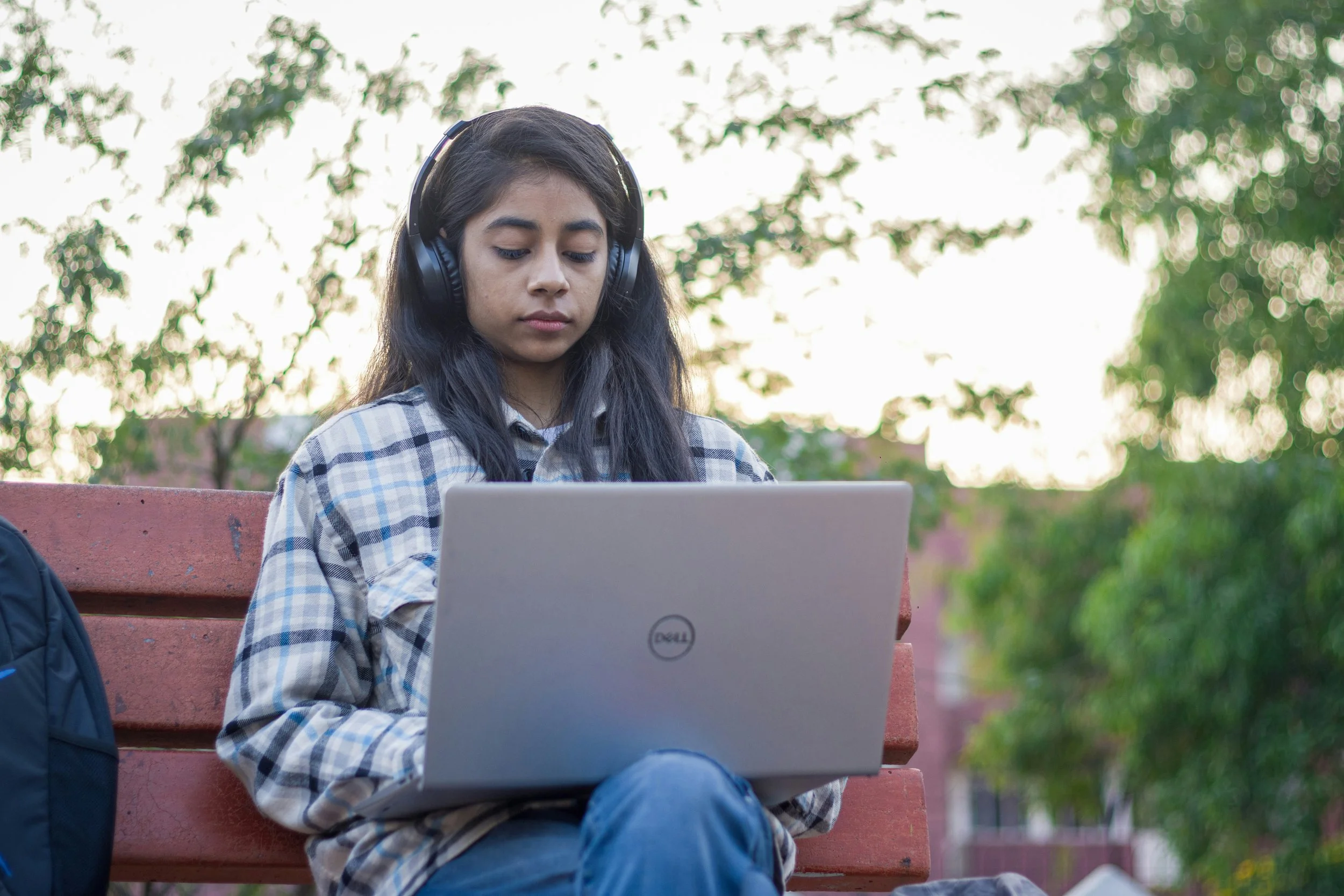
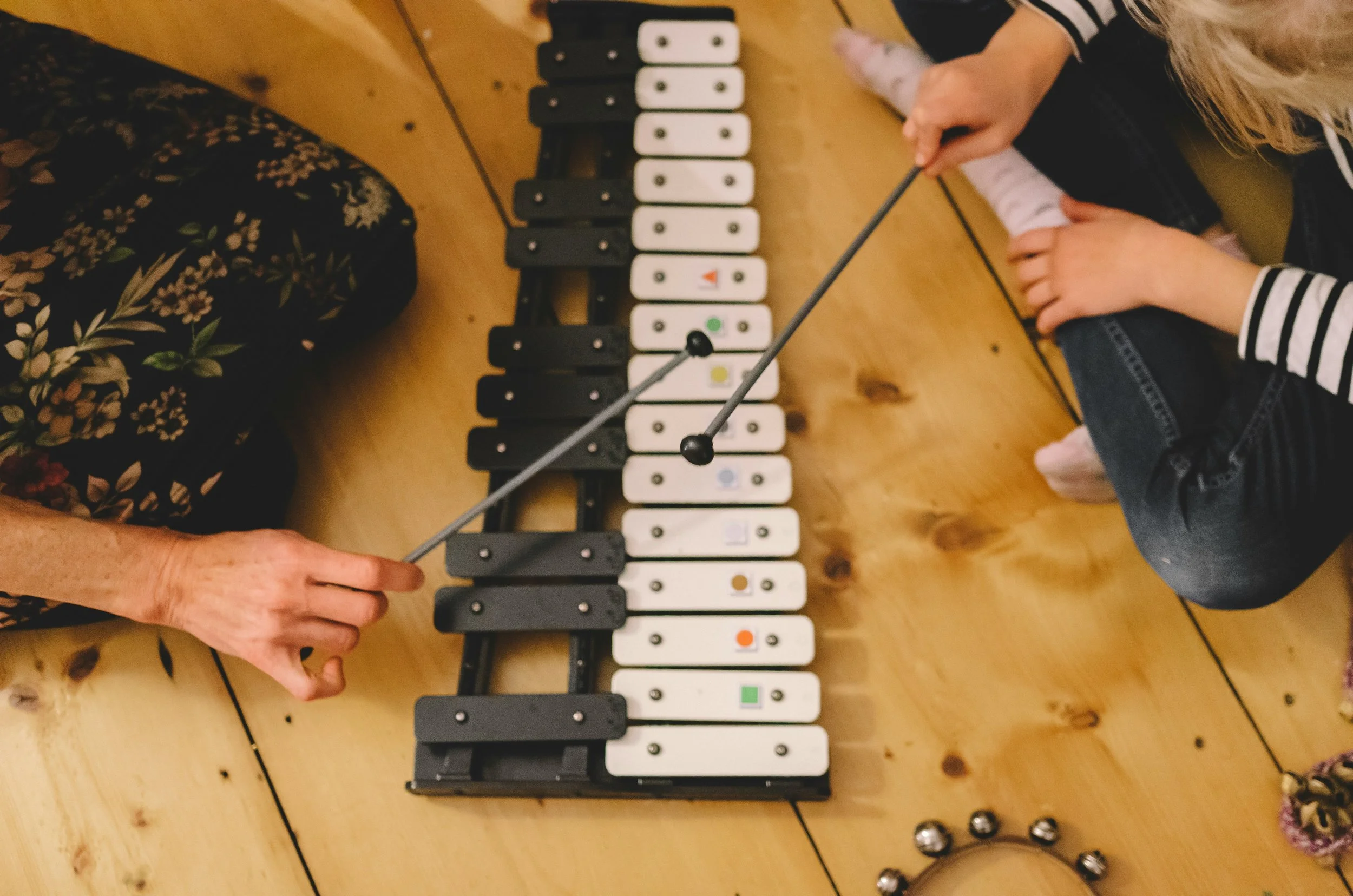
This learning style relies primarily on hearing information. Songs and music, audiobooks, movies, recordings, discussions, and lectures are helpful for auditory learners. It’s best to decrease distractions like TV, noisy places, or sitting near windows while auditory learners listen to learn.
Kinesthetic Learners
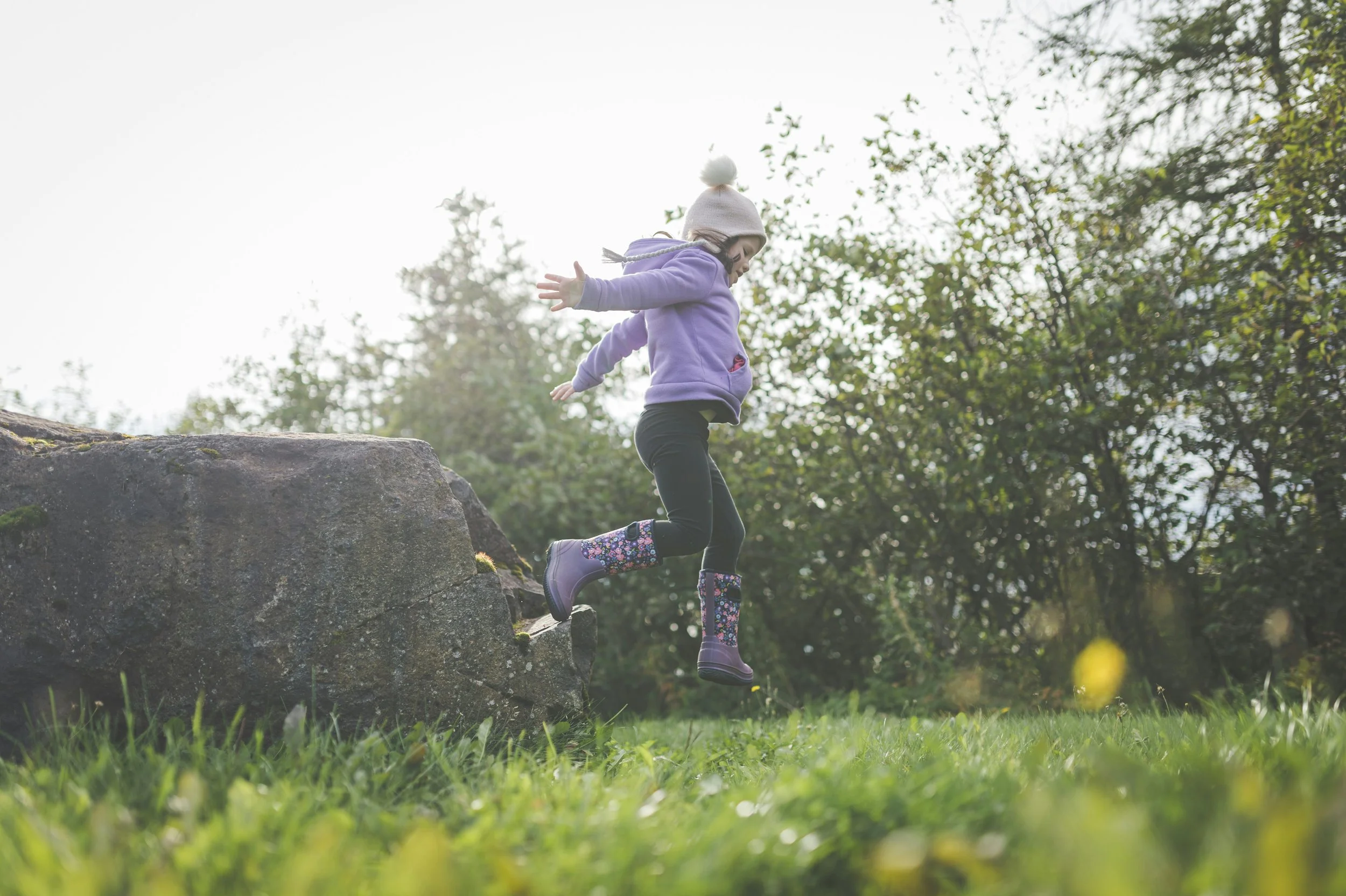
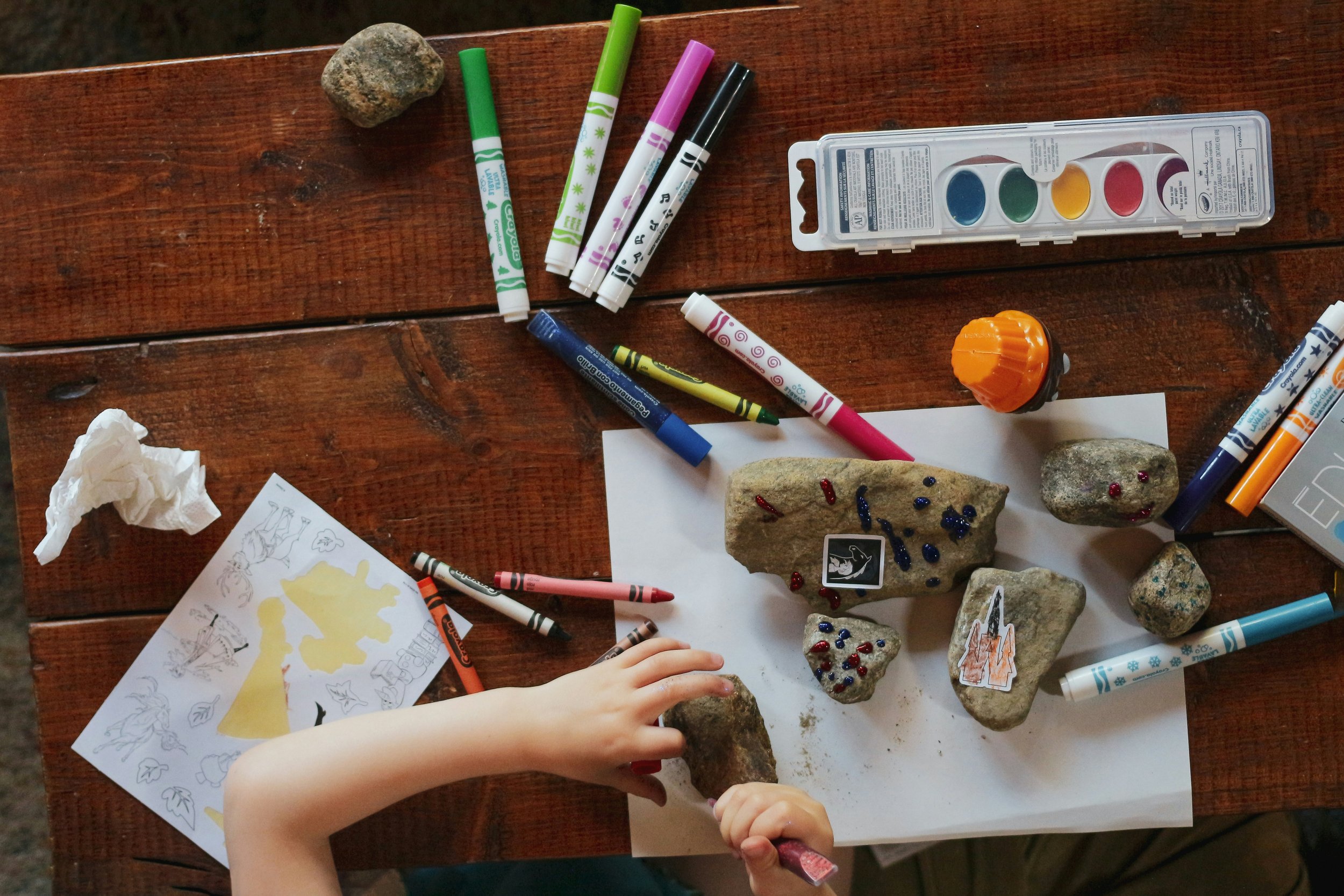
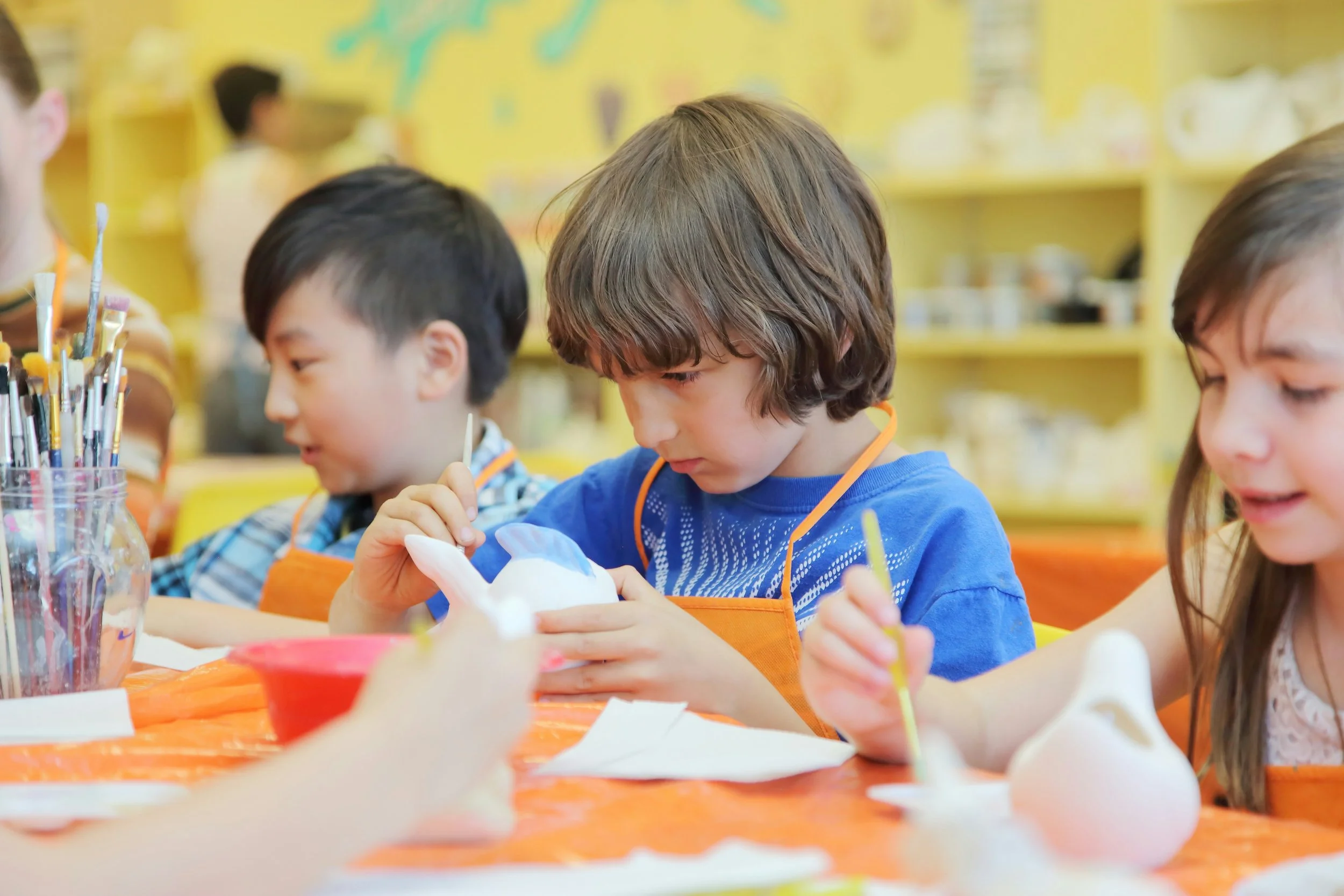
Typically this type of learner is very busy and has trouble sitting still for long periods of time. They like to be moving; they take in information through their hands and body. Making models, doing projects, and using manipulatives all work very well with kinesthetic learners. They like to experiment and use their hands whenever possible.
Style Quizzes
From homeschoolon.com, this 10-question quiz helps you determine your child’s primary learning style. You can take it for yourself to figure out your own primary learning style too. The page also lists resources and ideas to use for each learning style.
From homeschoolof1.com, this 12-question quiz helps you figure out what style of education fits your family best, based on your own strengths and preferences as well as your children’s tendencies. Gives an overview of 10 popular homeschooling methods. Especially helpful for families who are new to homeschooling.
Curriculum
There is a plethora of options available for your child to learn from.
The Homeschool Habitat gives an in-depth overview of six popular styles or methods of homeschooling. These include:
An in-person curriculum fair can be a good place to start when considering what curricula to use. Many areas of SC also have curriculum resource centers or resale stores where you can see and compare various books and other resources. Your local support group is also a great place to ask other homeschooling parents for recommendations on resources and methods that have worked for them.
Below are a few types of curriculum that can fit well with each learning style.
For more practical help with getting started, check out our Resources page!

Visual Curriculum Examples

Video-based Curriculum such as:
BJU Press
A Beka Academy
Journey Homeschool Academy
Compass Classroom
Full Curriculum Sets such as:
SchoolhouseTeachers.com
Timberdoodle
Textbook-Based Curriculum such as:
Notgrass History
Saxon Math
Memoria Press
Well-Trained Mind
Online Curriculum such as:
Auditory Curriculum Examples

Literature-Based Curriculum such as:
Video-Based Curriculum such as:
The Great Courses
Institute for Excellence in Writing
MasterBooks Academy
Community-Based Curriculum such as:
Classical Conversations
Schole Communities
Music-Based Curriculum such as:
Kinesthetic Curriculum Examples
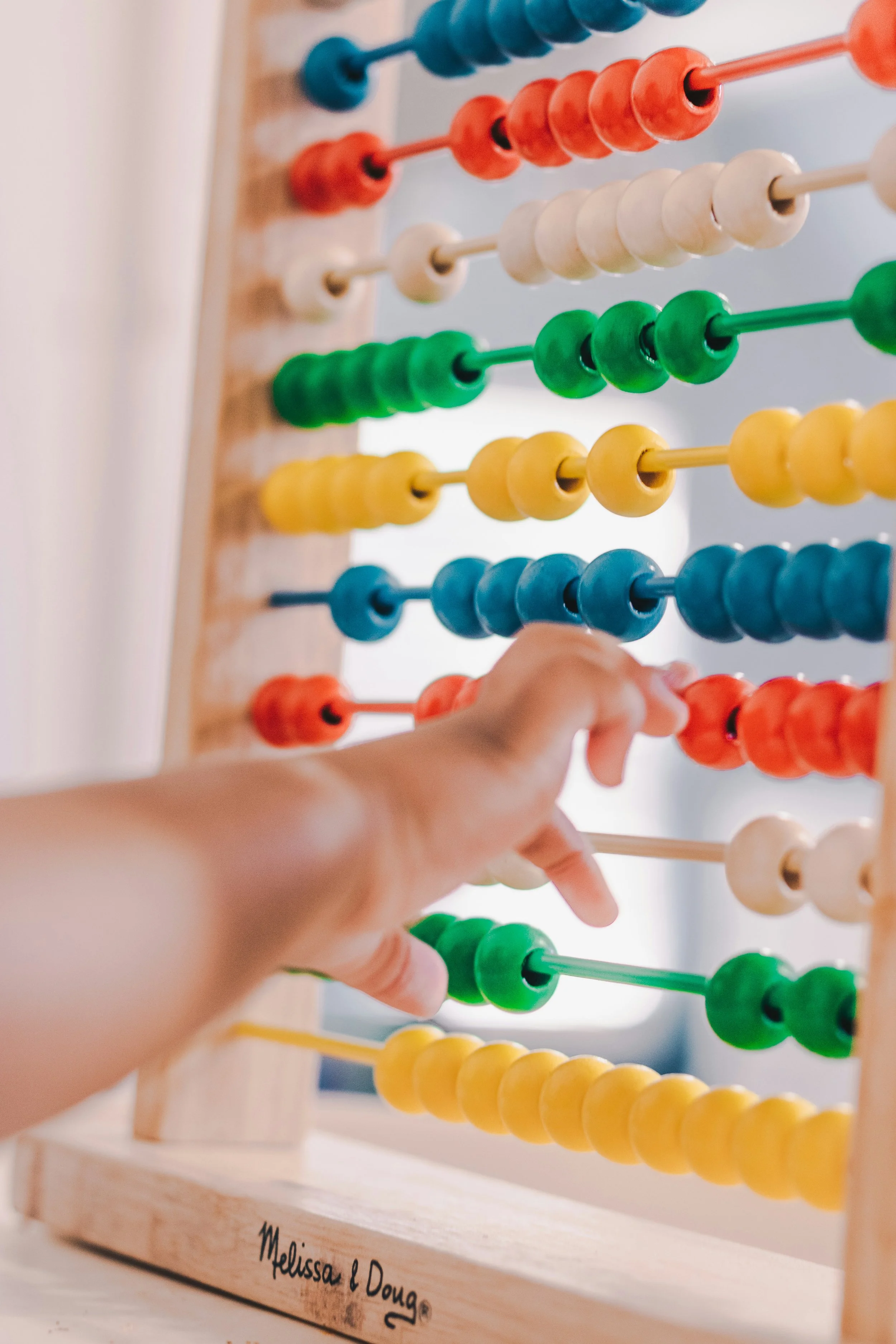
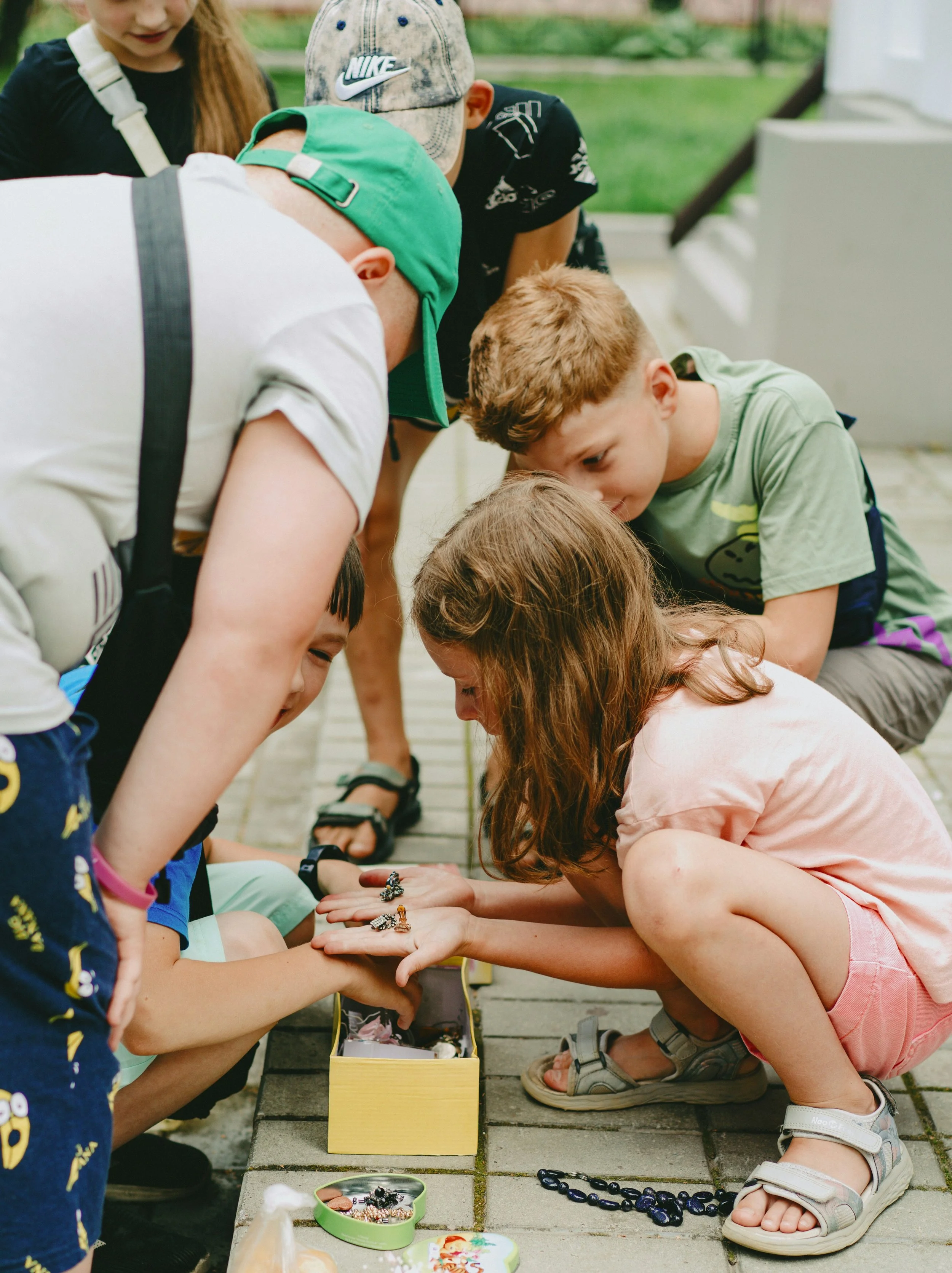

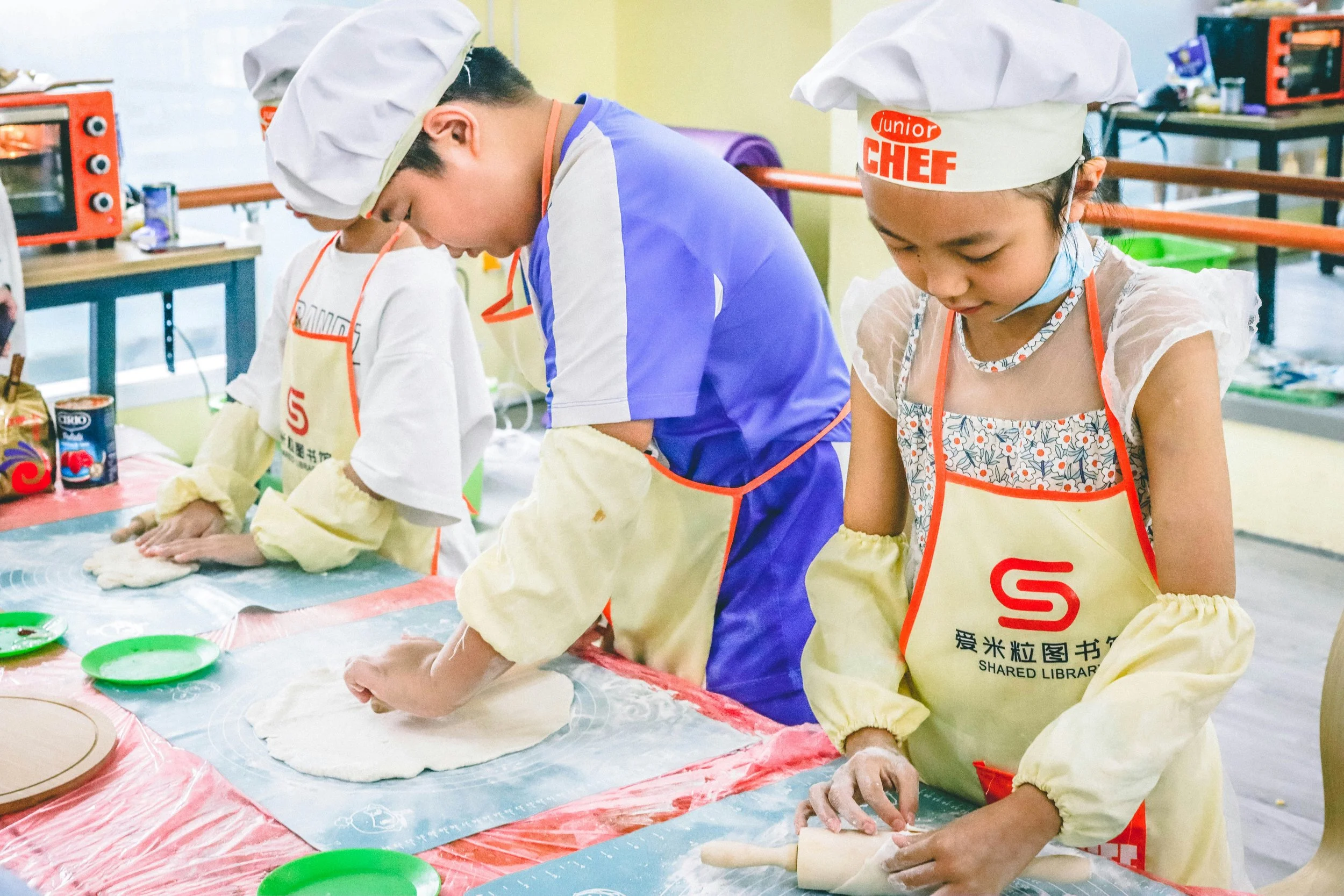
Manipulative-Based Curriculum such as:
Themed or Unit Study Curriculum such as:
Easy Peasy All-in-One Homeschool
My Father’s World
Five In A Row
KONOS
Multi-sensory Curriculum such as:
Family-Style Curriculum such as: